
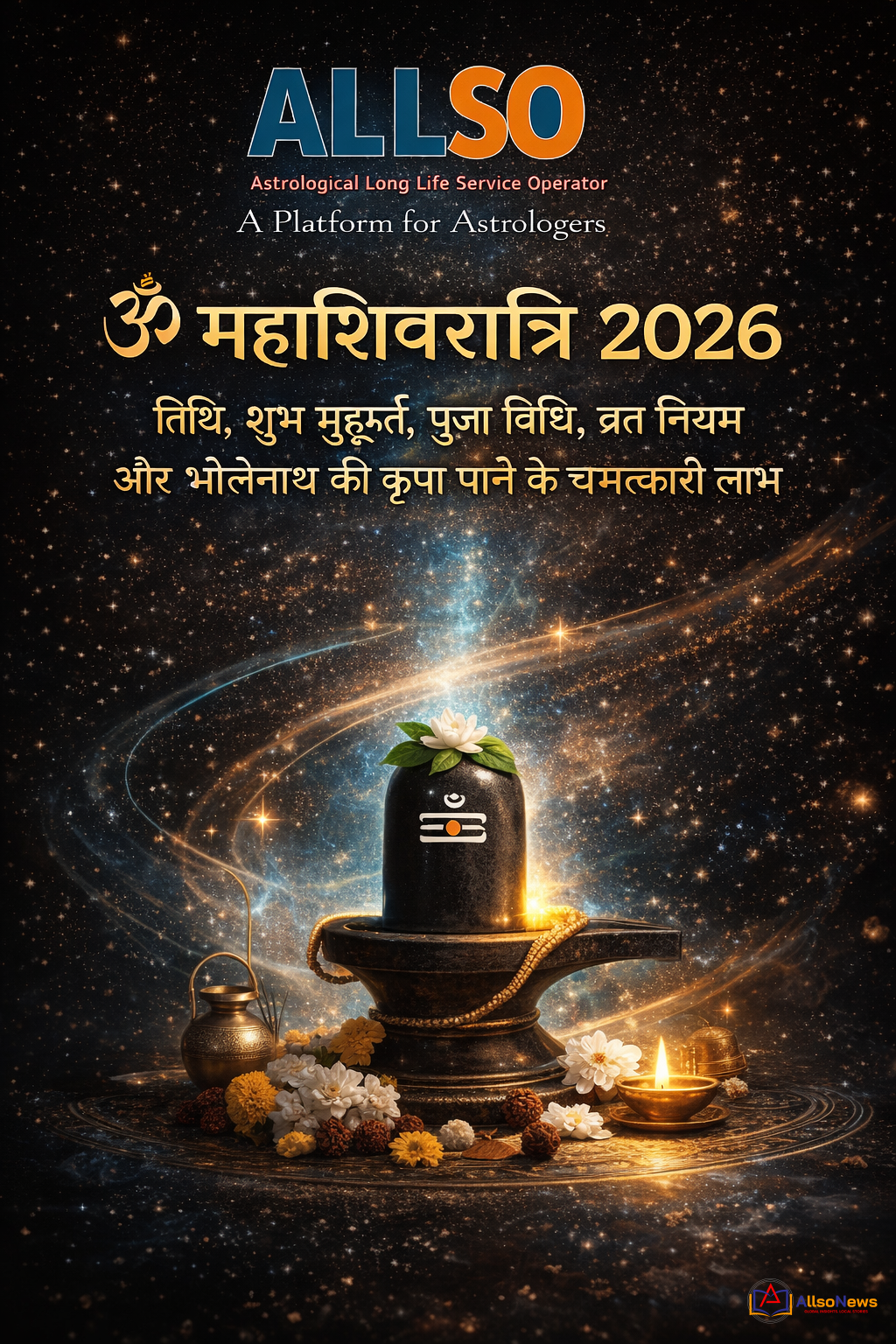


Mahashivratri 2026 – Date & Auspicious Timings
Mahashivratri Day: Sunday, 15 February 2026
Chaturdashi Tithi Begins: 15 February 2026, 5:04 PM onwards
Most Auspicious Puja Time (Nishita Kaal): 12:09 AM – 1:01 AM (16 February 2026)
Vrat Parana Time: 16 February 2026, 6:59 AM – 3:24 PM
On this sacred night, devotees worship Lord Shiva throughout the night by performing Shivling Puja, Rudrabhishek, meditation, bhajans, and mantra chanting. Nishita Kaal is considered the most powerful time to receive Lord Shiva’s divine blessings.
Why Is Mahashivratri Celebrated?
Maha shivratri is known as “The Great Night of Lord Shiva.” Its significance is mentioned in many ancient scriptures.
1. Divine Marriage of Shiva and Parvati
According to religious beliefs, Lord Shiva and Goddess Parvati were married on this sacred night. Therefore, Mahashivratri is also celebrated as the night of divine union.
2. The Cosmic Tandava Dance
It is believed that Lord Shiva performed the Tandava dance on this night, symbolizing creation, preservation, and destruction of the universe.
3. Destruction of Sins and Path to Liberation
Fasting, meditation, and chanting Shiva’s name on Mahashivratri help cleanse sins, calm the mind, and guide the soul toward spiritual liberation (moksha).
Puja Vidhi – How to Worship Lord Shiva Correctly
Shivling Puja
Perform abhishek with Ganga water, milk, curd, honey, and ghee
Offer Bilva leaves, Datura, incense, and a diya
Chant “Om Namah Shivaya” with devotion
Nishita Kaal Puja (Midnight Worship)
Light a diya in front of the Shivling at midnight
Chant “Om Namah Shivaya” 108 times
Perform meditation, bhajans, and kirtans
Worship during Nishita Kaal is considered extremely auspicious, as Lord Shiva’s grace is believed to be most powerful at this time.
What Is the Mahashivratri Fast and Why Is It Observed?
Meaning of the Vrat
Mahashivratri fasting is one of the most powerful ways to seek Lord Shiva’s blessings. Devotees observe a day-long fast and remain awake throughout the night in prayer and devotion.
Purpose of the Vrat
Removes mental stress and emotional burdens
Brings peace, balance, and success in life
Destroys negative karmas and purifies the soul
What to Eat and What to Avoid During the Fast
Foods Allowed During Vrat
Fruits, milk, curd, and water
Sabudana, buckwheat flour (kuttu), corn flour
Simple, sattvic vegetables
❌ Foods to Avoid
Rice, wheat, meat, onion, and garlic
Alcohol, tobacco
Fried, spicy, or heavy foods
Light and pure food helps maintain physical and mental calmness during the fast.
What to Offer to Lord Shiva & What to Avoid
Offerings That Please Lord Shiva
Bilva leaves (most sacred)
Milk and curd
Fruits (especially bananas)
Datura, fragrant incense
Water and ghee lamp
❌ Do Not Offer
Intoxicating substances
Meat or impure food items
Unclean or improper offerings
Cleanliness, devotion, and sincerity are essential while worshipping Lord Shiva.
Benefits of Observing Mahashivratri Vrat
1. Deep Spiritual Peace
Fasting and night-long worship bring inner calm and divine connection.
2. Balance of Mind, Body, and Soul
Chanting Shiva’s name reduces stress and mental disturbances.
3. Positive Karmic Impact
The fast helps remove obstacles and invites positive energy.
4. Success, Stability, and Prosperity
Devotion and discipline open new paths of growth and abundance in life.